

Addiction Therapist Karen E. Herrick PhD of the Center for Children of Alcoholics Recently Featured on Close Up Radio
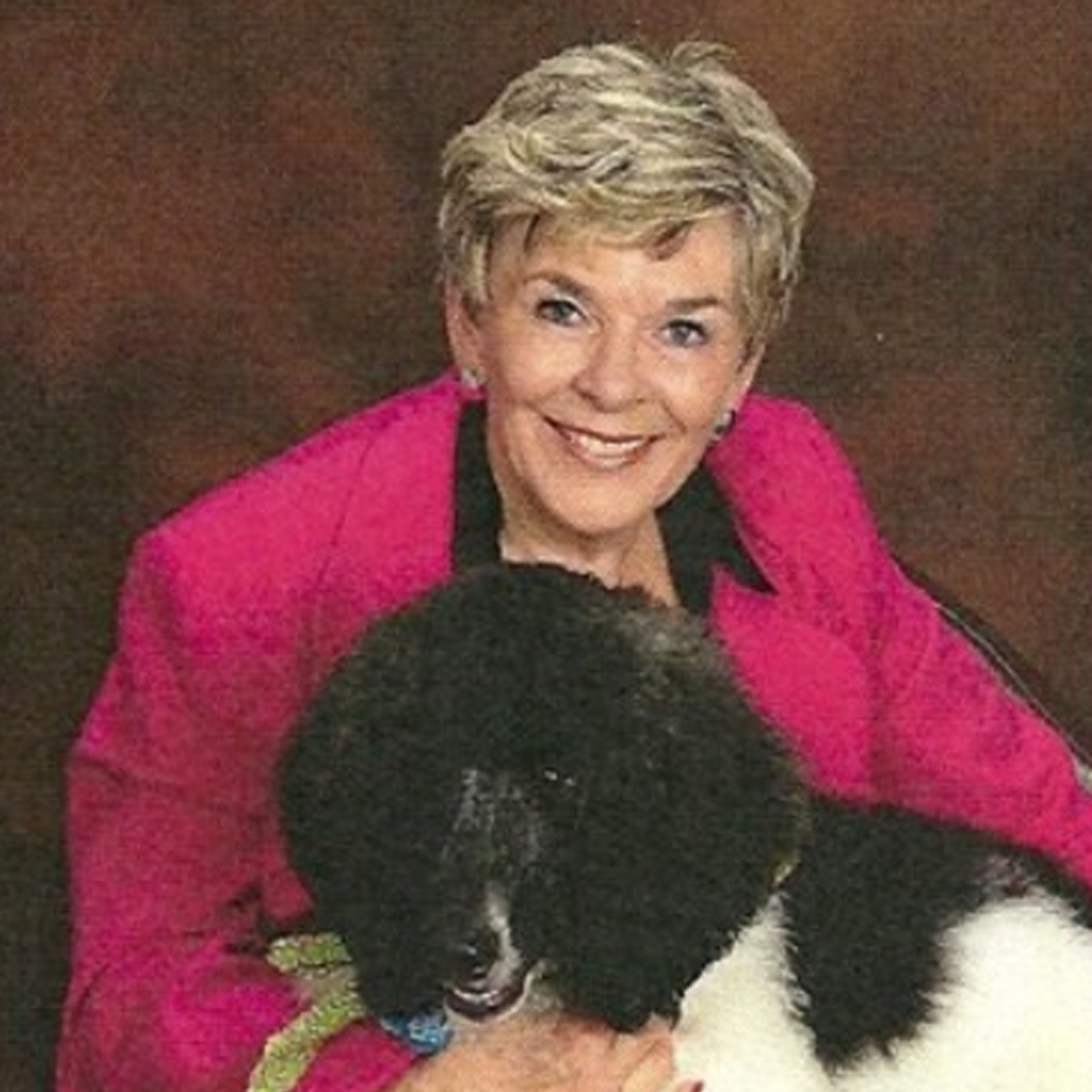

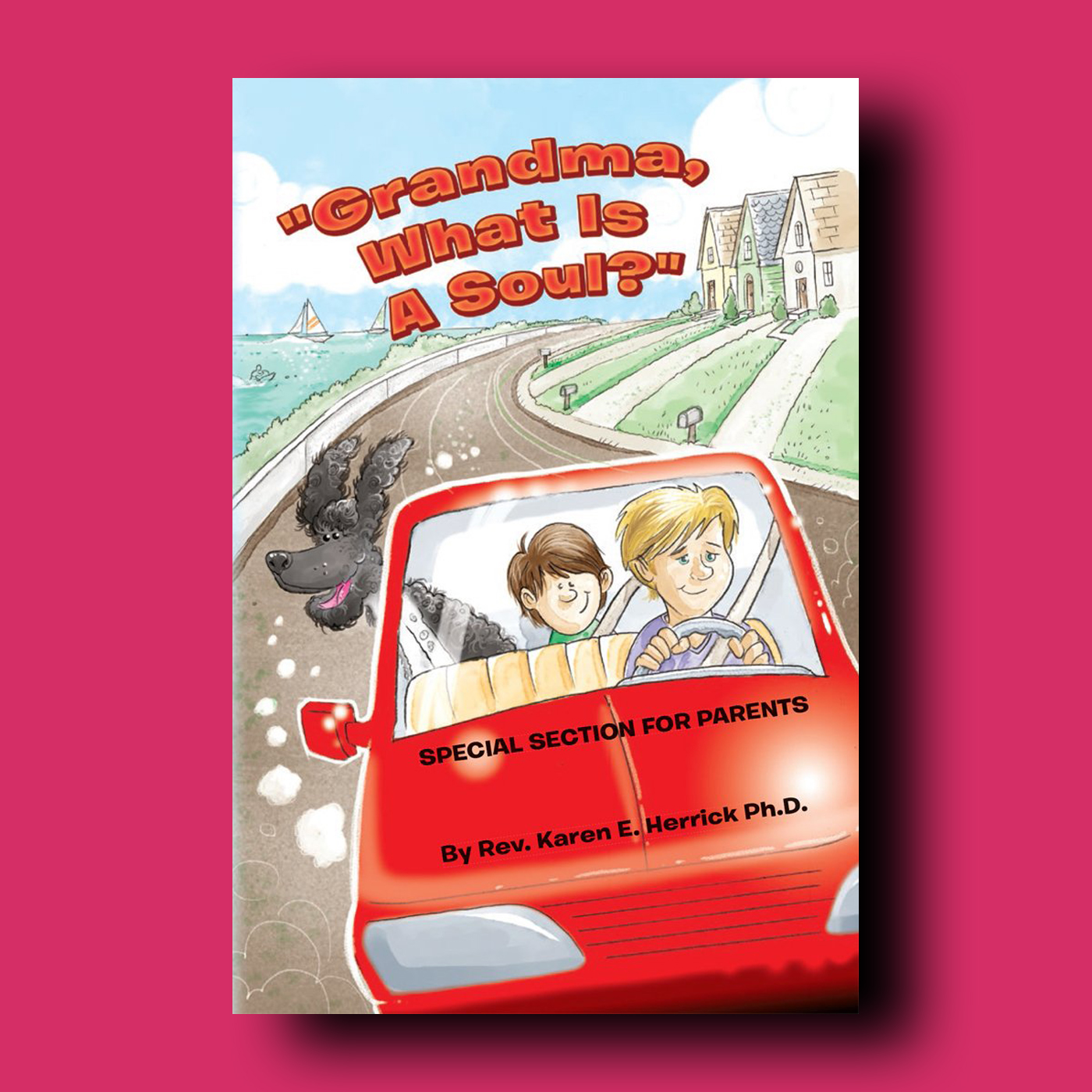
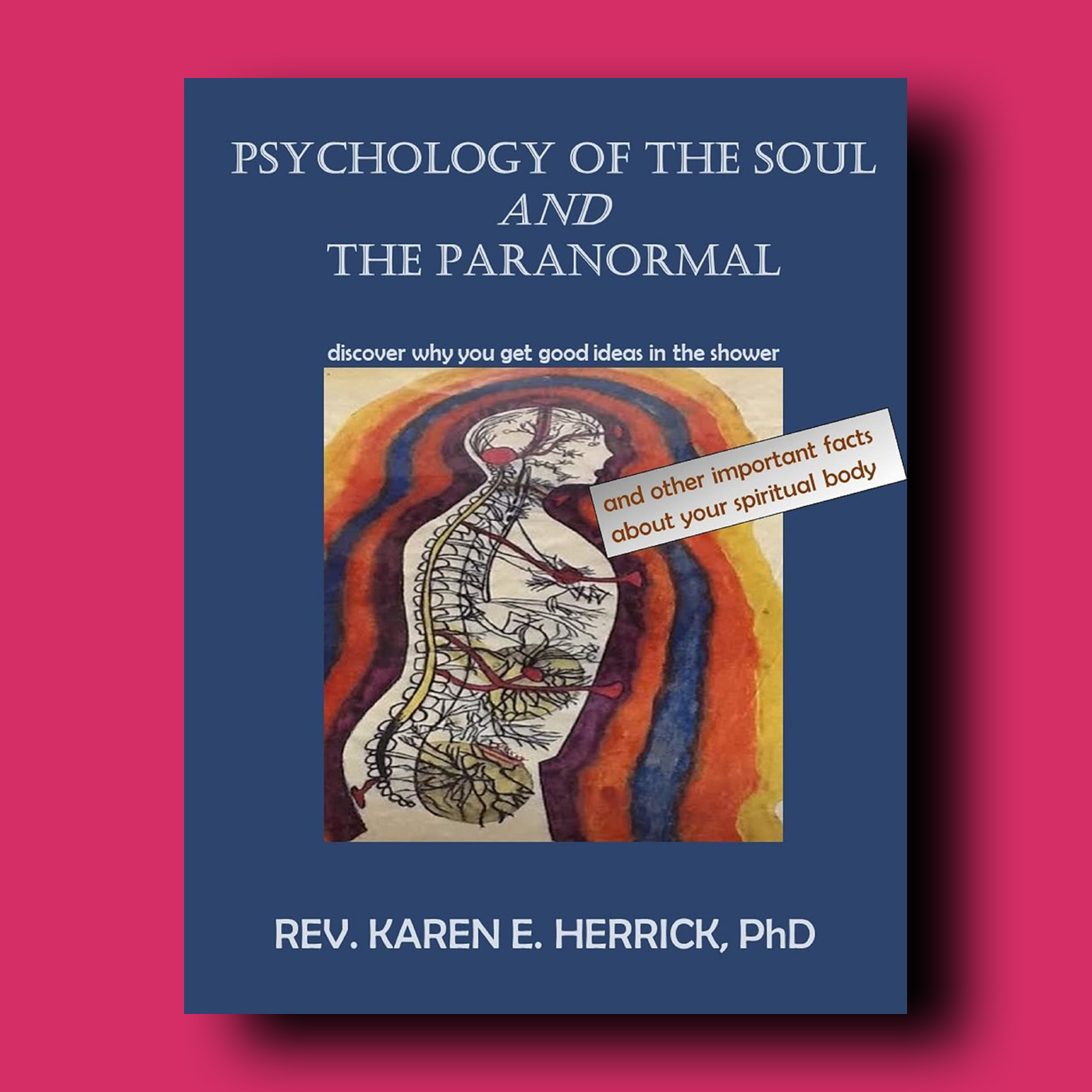
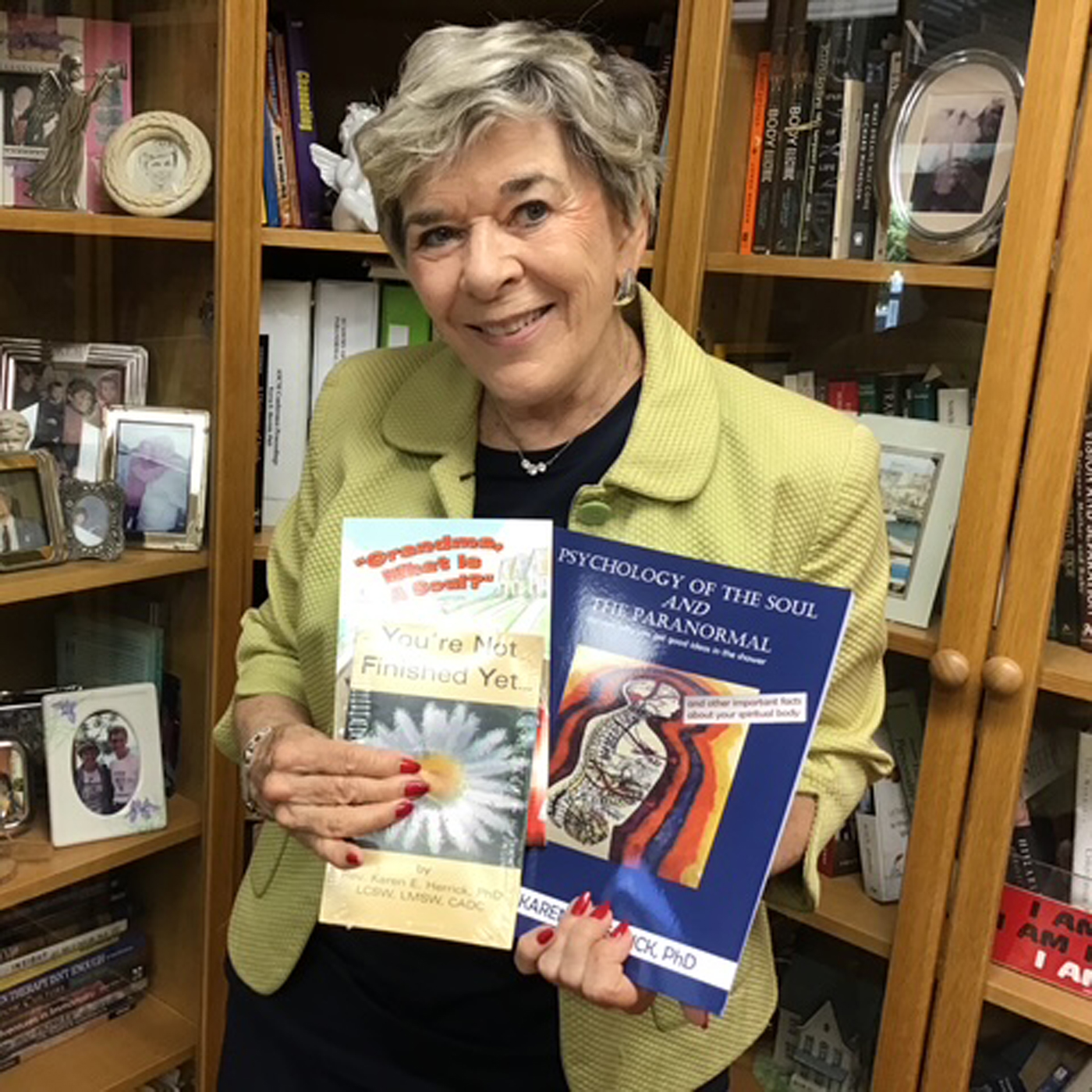
FERNLEY, NV, UNITED STATES, April 29, 2026 /EINPresswire.com/ -- Alcohol may be legal and readily available, but its ripple effects on families are far-reaching and often misunderstood. Dr. Karen Herrick, Director of the Center for Children of Alcoholics and author of “The Psychology of the Soul and the Paranormal,” is bringing fresh perspective and practical wisdom to the public conversation about addiction, family dynamics, and healing.
Dr. Herrick often begins her discussions by highlighting the three central “rules” that dominate alcoholic families: don’t trust, don’t talk, and don’t feel. These silent mandates, she explains, are adopted by children as a survival mechanism, encouraging them to blend into the background and avoid trouble. The cost, however, is high: isolation, difficulty with social skills, and a deep sense of being different.
“Children in these families often become part of the wall, trying not to get noticed,” Dr. Herrick shares. “Later, it can take years of work to teach them how to trust, communicate, and feel again. This is why group therapy eventually is the best treatment for them. Number one so they can see they are not alone and talk about their experiences with others who can validate them.”
She notes that addiction is complicated. Alcohol, she points out, is the most widely used drug because it’s legal, cheap, and accessible (unlike heroin or fentanyl, which require secrecy and risk to obtain). But danger lurks in its routine. Dr. Herrick points out that even young teenagers can show signs of high tolerance for alcohol, which is often a red flag. She also emphasizes that blackouts are an early sign of addiction.
“Blackouts are periods when someone is awake but can’t remember what they did,” she explains. “If you’re having them already, that’s a sign you’re drinking too much.”
Dr. Herrick notes that while alcohol is widely accepted in society, its effects are strikingly personal. “For many, alcohol starts as a way to relax or boost self-esteem at the end of a stressful day,” she explains. “But the first drink lifts you up, and every drink after that is a depressant. Many people are actually drinking to calm their anxiety. They would rather drink to calm themselves down than going to a doctor and admitting they have anxiety problems. They don’t realize that alcohol negatively affects their brain and their liver particularly.”
Alcoholics often attract partners who are responsible and organized. They are the “enablers” who keep life running smoothly. “There’s almost always someone who takes care of everything else,” she observes. “That dynamic can continue for years, even if the drinking stops.”
In her therapy practice, Dr. Herrick gives clients space to share their secrets, hopes, frustrations, and losses, often for the first time. She especially recognizes the unique challenges of adult children from alcoholic and addicted homes. “These are often the people who show up early to therapy,” she states. “They’re serious about sorting out their lives and correcting negative thinking patterns they picked up growing up.”
Dr. Herrick outlines the typical family “roles” that children in addicted homes take on. The oldest is often the “hero,” hyper-responsible and self-sufficient. These adult children of alcoholics are a favorite among employers. The second child is the “scapegoat,” acting out the anger and chaos in the family. The “lost child” is usually quiet, sensitive, and invisible. Often the “mascot” or “clown,” the lost child uses humor to distract from pain, often marrying heroes only to find the combination challenging in adulthood.
“In groups, people discover they’re not alone,” she says. “They realize others have lived through similar chaos and isolation. Group therapy is especially powerful for adults from alcoholic homes as it gives them a chance to share openly and develop real connections, something many missed out on growing up.”
Dr. Herrick’s insights don’t stop at psychology. She became interested in spirituality after noticing that many clients from traumatic backgrounds reported extraordinary spiritual experiences. She links this to a childhood habit of “disassociating” or mentally escaping from chaos at home. As adults, this can increase their sensitivity to spiritual or paranormal events.
“I didn’t set out to study spirituality,” Dr. Herrick admits. “But I kept hearing these stories from clients, and I realized that their childhoods prepared them to access parts of experience that most people never reach. Dr. Kenneth Ring was a Near Death researcher. He wanted to know why this one group had Near-Death experiences and this group did not. He created a family inventory checklist and discovered that people who lived in traumatic environments as children disassociated as children and because of this they could disassociate easier in adulthood; therefore, having more spiritual experiences in their lives.” Dr. Herrick realized that she had chosen a population to work with who just naturally had more spiritual experiences to report.
She is careful to make a distinction between spiritual experiences and mental illness. People with psychosis are often grandiose and chaotic about their visions and unable to tell a consistent story. In contrast, those with authentic spiritual experiences usually share with hesitation, awe, and a desire for understanding.
As Dr. Herrick shares in her writing, even everyday life can be touched by meaningful coincidences or unseen assistance. She recounts stories of “synchronicity” guiding her own decisions, such as unexpectedly finding the right home in difficult circumstances — a story she attributes to spiritual guidance rather than luck.
Her practical wisdom also extends to understanding denial in addiction. She outlines the rationalizations that keep people stuck: Believing consequences won’t happen, that they won’t be severe, or that nothing can change them. “This thinking keeps the cycle of addiction alive,” she warns.
She eventually realized that alcoholics and addicts think like teenagers. “It sounds something like this ‘Negative consequences won’t happen to me because of my usage. If negative consequences do happen, they won’t be that bad. If negative consequences do happen to me and if they are bad, there’s nothing I can do to stop them anyway.” Because of this irrational thinking, they are sometimes unable to assimilate lessons of experience. The disease of alcoholism literally changes who a person becomes the longer they drink.”
Dr. Herrick’s work offers hope and guidance to those still living with the aftermath of addiction. Whether in individual or group settings, her message is clear: Understanding where you come from is the first step to building the life you want.
About Dr. Karen Herrick
Dr. Karen Herrick, PhD, is the director of the Center for Children of Alcoholics and a respected author, educator, and speaker. With extensive experience in counseling and mental health, Dr. Herrick specializes in helping individuals and families affected by addiction. She is the author of several books, including “You’re Not Crazy: Overcoming the Trauma of Growing Up in a Dysfunctional Family,” and is recognized for her practical, compassionate approach to therapy and advocacy. Dr. Herrick’s work has been featured in national media outlets, and she continues to provide education and support through workshops, speaking engagements, and consulting.
Close Up Radio recently featured Rev. Karen E. Herrick, PhD, Director of the Center for Children of Alcoholics and author, in a two-part interview with Doug Llewelyn on Thursday April 23rd at 1pm Eastern and Thursday April 30th at 1pm Eastern
Listen to the Podcast
https://podcasts.apple.com/us/podcast/part-1-close-up-radio-welcomes-back-addiction-therapist/id1785721253?i=1000763342122
https://www.iheart.com/podcast/269-close-up-radio-242020413/episode/part-1-close-up-radio-welcomes-back-addiction-therapist-and-author-rev-karen-e-herrick-phd-of-the-center-for-children-of-alcoholics-331385059
https://open.spotify.com/episode/3NfiSMaStknvAlGIsgZoxq
For more information about Rev. Karen E. Herrick, PhD, please visit https://karenherrick.com/index.php/
Lou Ceparano
Close Up Television & Radio
+1 631-850-3314
email us here
Visit us on social media:
Facebook
Legal Disclaimer:
EIN Presswire provides this news content "as is" without warranty of any kind. We do not accept any responsibility or liability for the accuracy, content, images, videos, licenses, completeness, legality, or reliability of the information contained in this article. If you have any complaints or copyright issues related to this article, kindly contact the author above.
